




Estella Fransbergen
Celebration of Human Form and Mother Nature
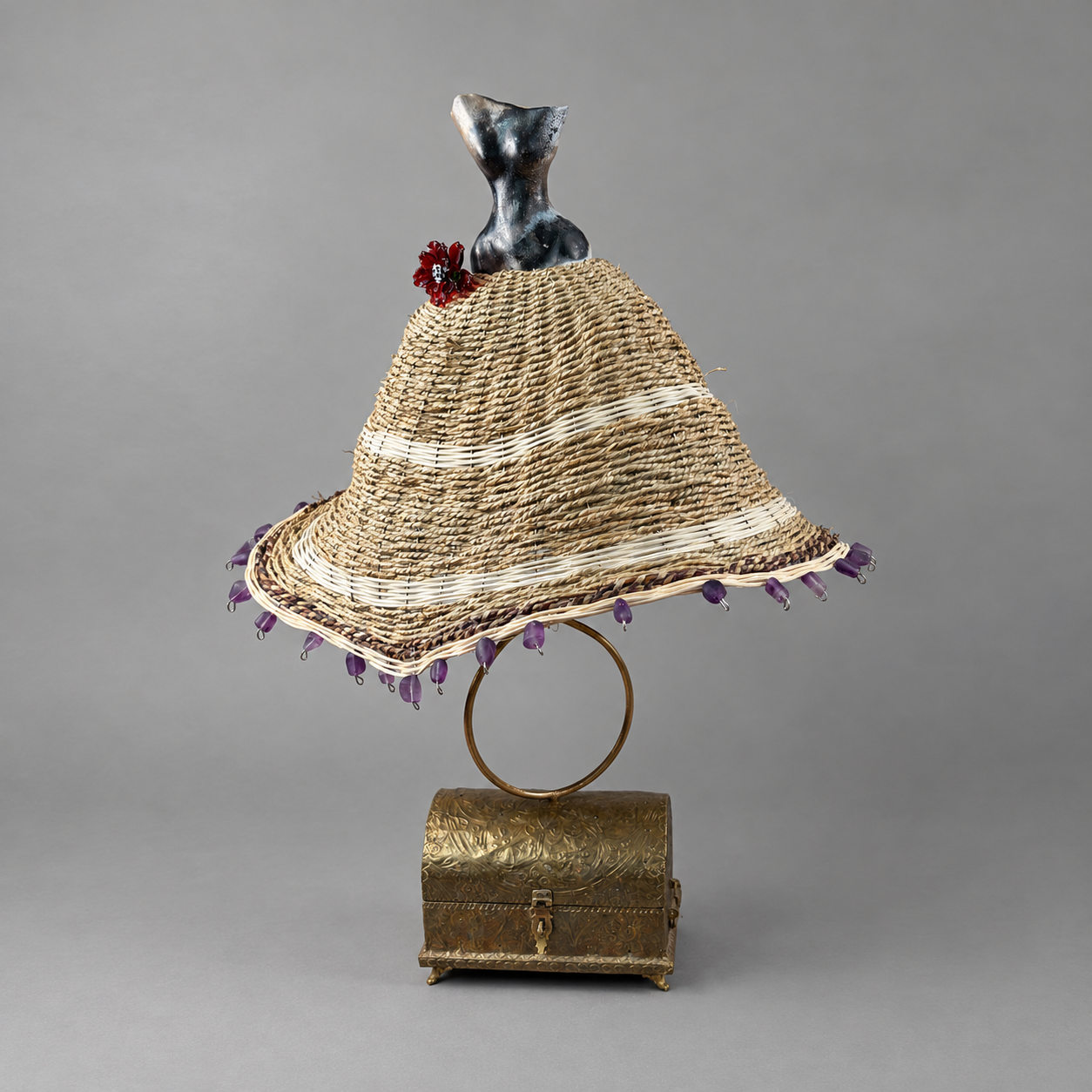
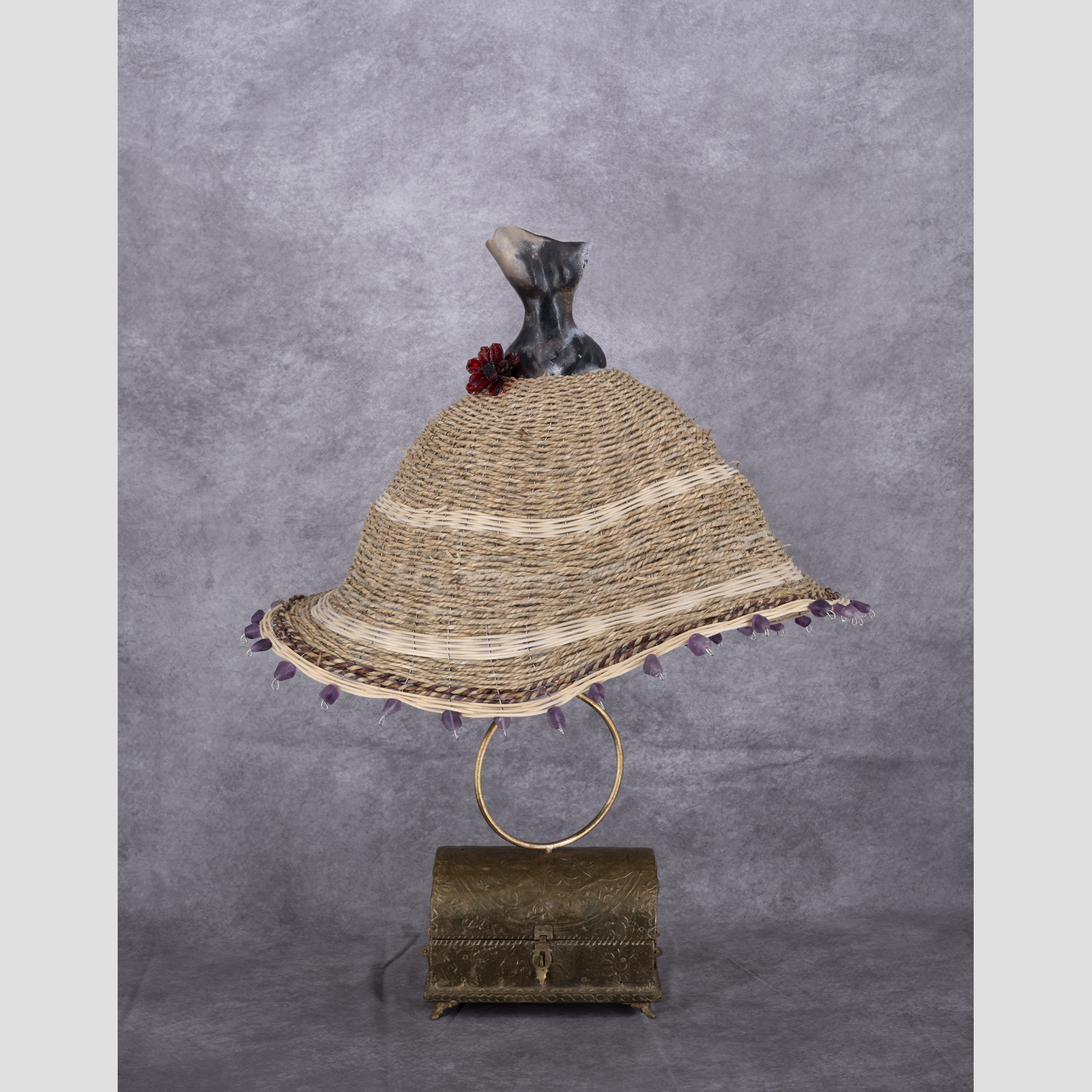
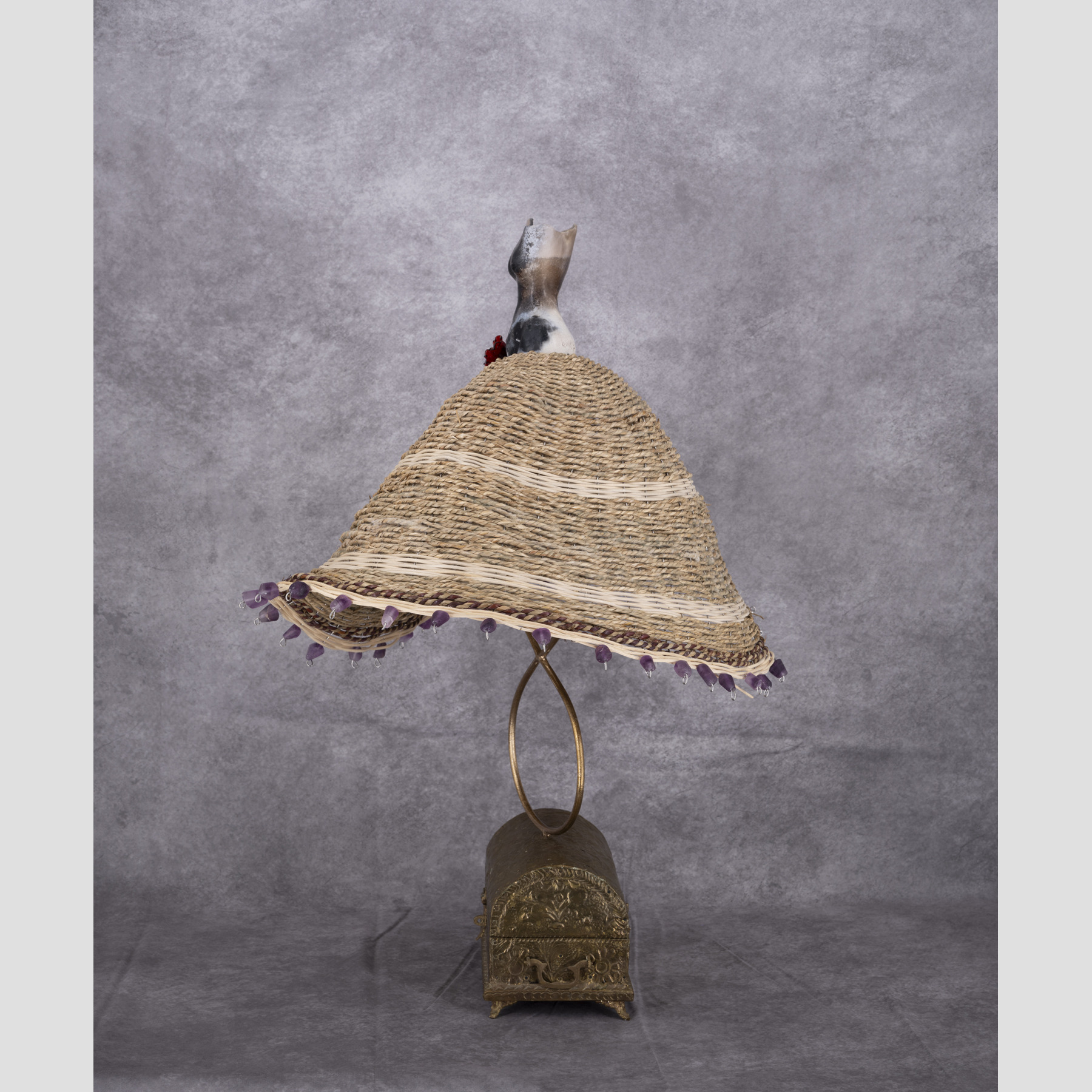
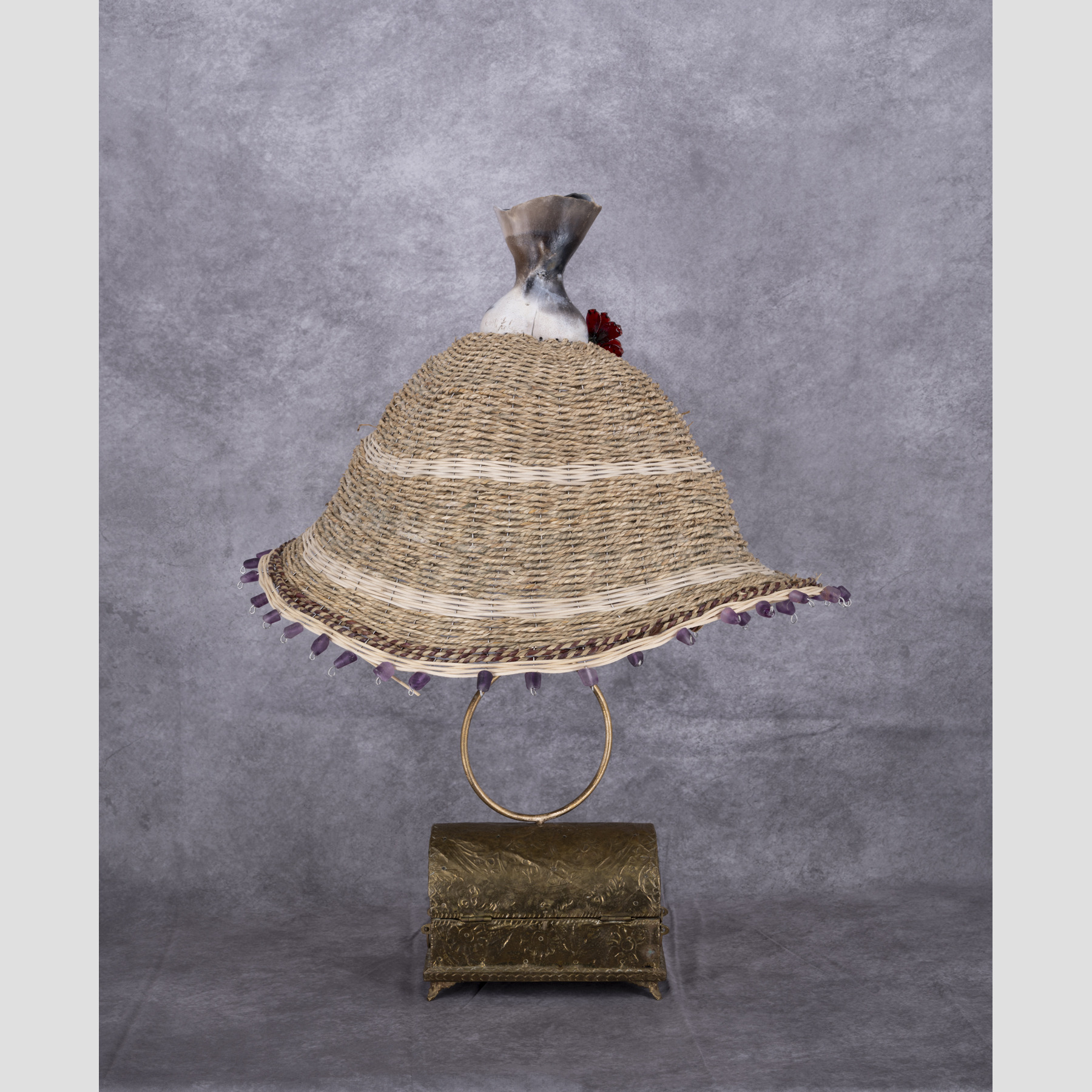
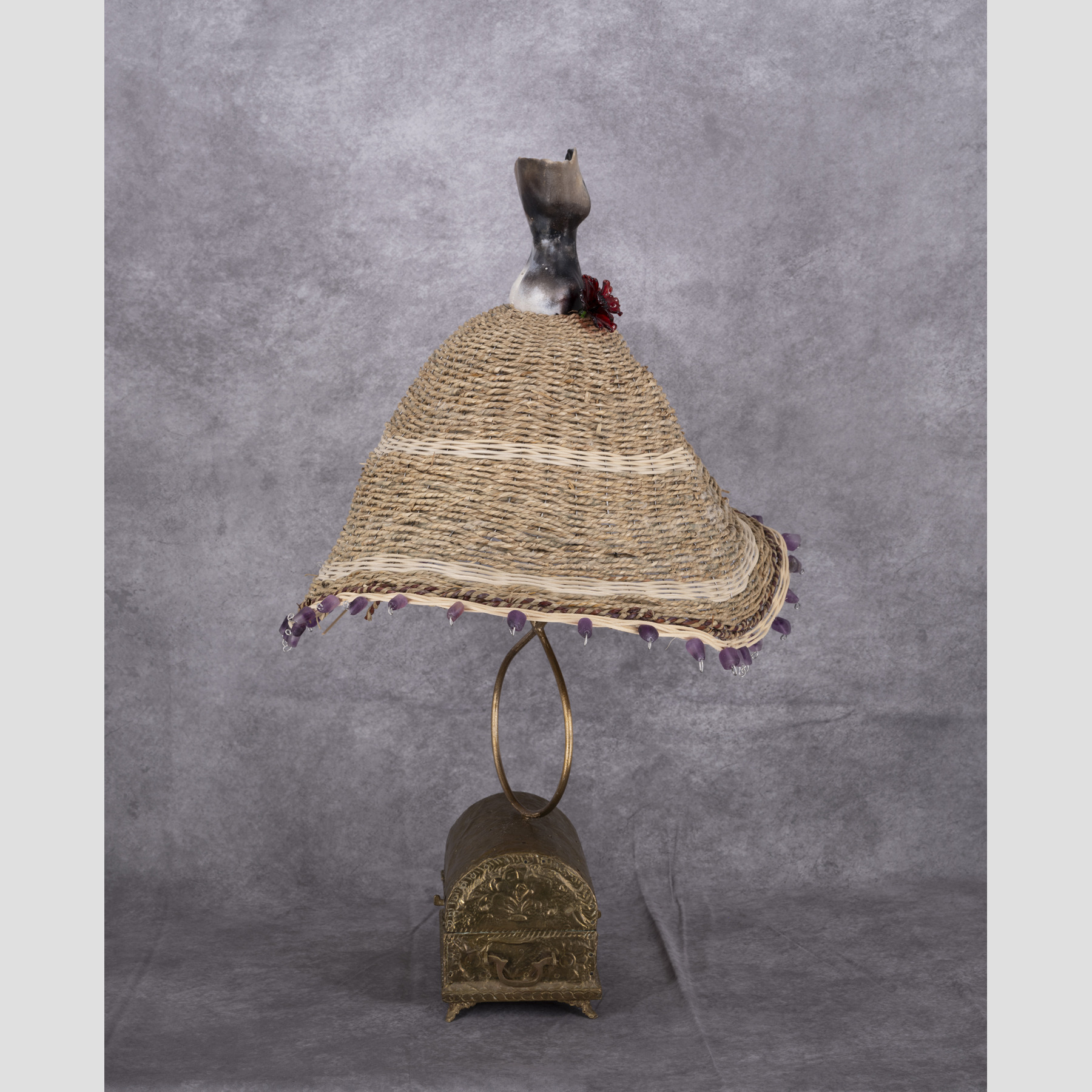
"In Celebration of the Human Form . . . I begin with simple clay and sculpt the torso using the coil building technique. The simplicity of the torso captures the essence of the soul. That, together with the primitive firing techniques of sawdust and Raku, brings me back to my South African roots. The beauty of the colors in the clay is created by the intensity of the fire. Each torso comes from the fire with a uniqueness all its own. This element of surprise and individuality celebrates the human form.
In Celebration of Mother Nature . . . I “dress” the naked form of the torso to represent nature using feathers, branches, leaves, and gemstones. I use semi-precious and rare stones, formed over millions of years. Ancient science tells us that each stone has a symbolic meaning and our eyes detect the unique beauty of what lies within each.
My sculptures reflect my total life experience. Born and raised in South Africa, studied art in the Netherlands, I now reside in the heartland of the United States. These experiences have exposed me to cultural diversity and the beauty of nature. My work is the expression of the human form and the embodiment of beauty entwined with the powers of Nature."
- Estella Fransbergen
Estella Fransbergen’s multimedia torsos emanate from the earliest traditions of Nature worship when Divine Woman/ Goddess/Mother/Daughter/Grandmother was extolled thorough art, altars, and song. From time immemorial, Her image has served to embody joy, to symbolize the essential role that pleasure must play in any pious life, and to catalyze a worshiper’s innate capacity to see and feel with compassion and intensity. Fransbergen adds to this lineage of devotion her personal expression of the Divine Female as the universal embodiment of beauty intrinsically incorporated with the power of Nature. Alive in her pieces are visions of an earth in which sacred and miraculous rivers flow, holy forests and groves flourish, reservoirs of life blossom, and gnarled trees brim with vitality, holding the power to heal and grow. Consider the power of the rubies, emeralds, quartz crystals, and amber used in the pieces: they have been forming within the earth for millions of years, compressing their energy, each at a different frequency, generating the force to purify, protect, strengthen, balance, and bless. It takes time to visually and spiritually absorb the many dimensions of these haute couture figures born out of earth and fire.
Fransbergen’s torsos are not simply tree-like, but trunks from which all aspects of life emanate -- feathers, branches, leaves, gemstones. Cast from molten bronze or glass and ornamented with delicate natural forms, the torsos also express Nature’s contrasts and capriciousness. For this reason, Fransbergen does not title her pieces, preferring to allow their owners, those attracted to a specific lure of vibration and luminosity, to attach names befitting their own experience. Her own experiences in creating the sculptures are equally distinct, even though she tends to work in series, five or seven pieces of different sizes at a time. In beginning a new series, Fransbergen prepares mentally the night before, sitting outside listening quietly to the wind and birds before determining how many raw pieces she’ll build.
She uses raku clay which is rich with grog, a substance that allows the clay to shrink and expand with temperature fluctuations in the kiln and fire. Like the Female form, it will assume, raku clay is malleable and forgiving. Once fired and glazed, the torso commands its subsequent treatment, i.e. if it is to be cast in bronze or printed three dimension-ally with powdered stainless steel or sand as well as what nature of materials will decorate it. The final piece is then assembled – a forceful, graceful, chaotic structure of limbs and leaves and precious stones, molten metal and molded earth. With its completion, Estella Fransbergen’s process of contemplation, ritual, and ceremony then begins again, as the beholder of her sculpture apprehends the frivolity and solemnity of the Divine Female.